Note: This post is a supplement to an article I wrote for the Muscular Dystrophy Association’s Quest magazine in January 2018, which you can find here.
I have also written about the importance of role models in this post.
I have had many role models over the years who have helped me come to grips with my muscle disease. Some I have come to know personally; others I hope to meet one day. And of course, there are those I will never get the chance to meet.
The goal of this page is to list all the people who have helped me in some way. Each person, at some point in my life, helped pick me up when I was feeling down, and I am forever grateful.
Eventually, time-willing, I will write a blog post about each person to give them their due credit. As of right now, I will list them out, and provide a link to their story or website, so that you can learn more about them. If you are having a tough time, I highly encourage you to Google them or click on some of the links below. Contrary to how it seems sometimes, there are many extraordinary people out there in the world that we can learn from and emulate. Continue reading “My Role Models”→
It checks out at 115 pages, single-spaced, give or take a few placeholders and incoherent ramblings.
This is a big deal for me. I’ve attempted to write my story many times, always failing. This time, though, is different. I am motivated, and it just feels like the right time. My transition into a wheelchair is nearly complete. It is a natural bookend to my journey.
The key to writing a book, I’ve found through trial and error, is to take a seemingly insurmountable project and break it down into manageable pieces. My immediate goal was to write out, chronologically, all the important events that have taken place in my life between 2008 and the present day. I have accomplished that. The next step is to go through what I’ve written again, and start to turn it into a story. Then in subsequent steps, I’ll add more detail, quotations, and finally, give it one final run-through.
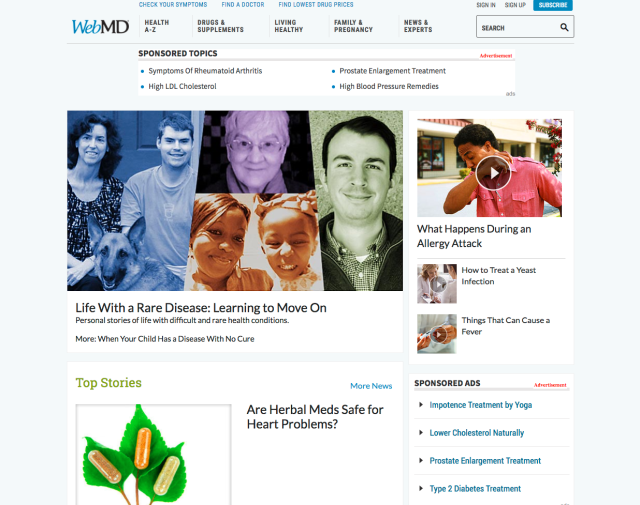
Today I am featured on the WebMD website for Rare Disease Day! It is very exciting. I was interviewed a few weeks back (many thanks to NORD for connecting me) for a series they are running about patients living with a rare disease.
The interview gave a brief overview of my condition, my patient journey, and advice I’d give to others who are newly diagnosed with an adult-onset disease. I always enjoy being able to use my story to raise awareness and offer advice to new audiences.
(Author’s Note: I was originally going to write this post before the new year, but got a little distracted by this bald eagle webcam and college football…it happens.)
I always used to make New Year’s resolutions, but this year, I’m just not feeling it.
It is quite an interesting phenomenon if you think about it. Every January 1st, millions of people around the world pick something in their lives that they vow to improve. We see this one day on the calendar as a clean slate, a source of hope and renewal, just because it is day one.
Every once in a while you hear a success story. For example, I know of someone whose New Year’s resolution was to lose weight, and lo and behold, they lost 50 pounds. For the rest of us, however, more often than not, resolutions end in failure.
I know that has been the case for me. That’s not to say making a resolution is pointless. There is no shame in sticking your neck out there and attempting to improve some facet of your life. In fact, it should be celebrated! I’ve merely come to the conclusion that I’d rather not set myself up for the inevitable failure and disappointment.
This year, instead of making a New Year’s resolution, I decided to take a look back at 2016, reviewing lessons learned while celebrating my many accomplishments that might otherwise fade into obscurity without proper reflection.
2016 was a unique year for me, full of highs and lows I’ve never experienced before. Above all, it was a year of transition. As someone who likes planning and structure, I found myself begrudgingly surrendering to forces outside of my control.
We’ll start with the lows, to get them out of the way. After graduating from business school this past May, I still haven’t found a full-time job. I have been blessed with two great part-time opportunities that have kept me afloat these past few months, but the ultimate goal has proven elusive. It weighs on me every day. Financial insecurity, especially with a disability and with student loans breathing down my neck, keeps me up at night. Thankfully, I planned for this possibility, and I take full responsibility for the situation I am in, so I will rise above it.
Besides, everyone despises job hunting. Repeated, unrelenting rejection is just plain miserable. Through my circumstances, I have come to know rejection quite well, and have learned to harness it into bigger and better opportunities. But even I have my limits. Constantly being rejected for a job, or worse – not even getting back a response – is incredibly frustrating. I just have to keep grinding. I know that the perfect opportunity awaits me out there, and I’m telling you, when I finally do get hired, I will give everything I have to the company lucky enough to hire me.
But I must also confess, I have been picky with my job search. The truth is, I just don’t have the energy anymore to choose “any job”. It has to be the right fit, an opportunity where I can harness my creativity and communication skills, for a company whose mission I believe in wholeheartedly. The role also has to pay well enough to support the additional expenses that my disease will inevitably incur – such as an accessible apartment, personal care attendants, adaptive equipment, etc.
For the time being, I’ve moved home with my parents in West Hartford. I love my parents, and love being able to see them regularly, but we are all in agreement that I am destined to be on my own. I’ve been in the Boston area the last 12 years and love the city to death. It is where I belong. Despite the move, I am fortunate that I have a home to come back to, and the support that I need to stay afloat during this challenging time.
The greatest challenge in 2016? My weakening body. I lost a tremendous amount of strength last year. I finished school just in time, before my disease really started to affect my quality of life. I don’t think I would survive school in my current condition, at least, not without taking some time off to obtain additional resources. It certainly wouldn’t be impossible, but it would be significantly tougher.
For example, at the beginning of 2016, I could get out of a chair without assistance from another person. Now, it’s impossible. Unless I am sitting on a high chair, I need someone to bear hug me to get me into a standing position. At the beginning of the year I was able to go up small steps and inclines with relative ease. Now, it’s a treacherous affair, given how much upper body strength I’ve lost. Declines are just as difficult. Without upper body strength, my crutches become useless if my shoulder gives out.
I’ve also fallen several times this year, and on two occasions, injured my foot. One fall required x-rays; fortunately they came back negative. The pain lingered for weeks, however.
Look, I know what my future holds. As soon as I lock down a job, figure out where I am going to live, and get a few other things squared away, I am going to buy a wheelchair, assuming of course that an injury doesn’t force my hand.
It is time.
I am past the point where I am afraid of what others will think of me in a chair. In fact, I welcome the freedom a chair will provide me. Sure, there is a laundry list of considerations and questions that remain related to how I will adjust to living in a wheelchair, but, as a whole, I know that it will improve my quality of life. I don’t know what it’s like to walk a few blocks care-free anymore. If I can get that freedom back while rolling down the street, so be it.
So yeah, there are a few things on my mind. But you know what? 2016 was also one heck of a year. To recap:
I graduated from Boston College’s MBA program in May. At graduation, not only did the pastor read a quote from one of my blog posts, I also received a standing ovation when I received my diploma, which was completely unexpected (and also flattering). I nearly fainted!
My time at BC allowed me to make many, many close friends with classmates and faculty, friendships which I will cherish the rest of my life.
I went to Texas. I have never been to Texas.
I met my nephew Connor for the first time in August. Although born in October 2015, I was not able to see him until the summer. He is a bundle of joy. I also got to spend a lot of quality time with my niece Sophia.
I finally committed to writing a memoir of my experience with Miyoshi Myopathy. Best of all, I have followed through on this commitment and am making substantial progress. I hope to have a first draft done in early 2017.
I had a piece published on the Boston Globe’s STAT website in February. I was one of the first patients to ever be featured in their “First Opinion” section.
I had the honor of speaking at several exciting events and locations, including:
The 2016 Rare Disease Day celebration at the Massachusetts State House (~400 people)
The Muscular Dystrophy Association’s “Fill the Boot” camp at Mohegan Sun Casino (~500 people)
“Speak Up” storytelling event at Real Art Ways, Hartford (~200 people)
The Jain Foundation’s patient conference in Dallas, Texas (~75 people) – here’s the video
Boston College “Bounce Back” resilience panel
Boston University Medical School genetic counseling class
Northeastern University Student Alumni Association club meeting
St. Thomas church youth group in West Hartford
Looking back on that list, I must say that I am not good at celebrating my accomplishments. I dismiss them too easily, mainly because I am never satisfied. Maybe that will be my resolution this year – celebrate when things go well! I dwell so much on the negative sometimes, that I forget to also savor my successes. I deserve to give myself a break from time to time.
2016 was, in totality, a very good year. Maddening and frustrating? Yes. But I made significant progress, providing a foundation for success in 2017. Whether I get a day job or live a life as a writer and traveling motivational speaker, I will not stop until I am at a place where I know that all of my struggles have been worth it.
All in all, 2017 is going to be an interesting year. I have no delusions that there will be more turbulence ahead. But I must remember, against all odds – after years of wallowing in self-pity and hating what my life was becoming – I made it this far.
No matter the uncertainty in my future, I must find a way. That is the only resolution that matters.
This is the second letter in a two-part series looking back on life in my 20s. Today’s post is a response letter written from my current, 30-year-old self to my 23-year-old self. The first letter in the series can be found here. To learn more about the series as a whole, click here.
Dear Chris,
Greetings from the future! 2016 is an interesting time to be alive, to say the least. Apple is about to release the iPhone 7. Pluto is no longer a planet. NFL games are now being broadcast on Twitter. Brangelina is no more. I won’t even get into what is going on in the presidential race – you wouldn’t believe me even if I told you.
Before I go any further, I have to admit, I have no idea how to address you – you are me, I am you, right? Either way, I am treating you as a separate person for the purpose of this letter. As your older self, I am basically your older brother anyways.
Technicalities and jokes aside, you brought up some very serious concerns at the end of your letter that I want to discuss. You asked a lot of questions – deep, existential questions – yet you seemed hesitant as to whether or not you wanted to hear the answers to them. I initially considered going into great detail and telling you exactly what will happen, but I have decided not to do that. Frankly, there are some things that are better left unsaid, some experiences I don’t want you to have to come to grips with at this moment. It would be counterproductive, and it would get you too concerned about specific details that would detract from the overall message I want to convey.
The next seven years for you are going to be full of situations and events that, if I describe them now, are going to sound terrifying, but are easier to comprehend in the proper context. The best context is to experience these moments as they happen. There is no substitute for living through your circumstances. It would be unjust to try and condense them into the framework of this letter.
There is going to be rain ahead – there is no avoiding it. Parts of this letter will scare you, even if I don’t go into specific, day-by-day details. But let me reassure you when I say, for everything that will happen, you will have the support you need to get through it. Trust yourself, lean on your family and friends, and you will make it through the rain.
I know you were most anxious to know my current status, so I will save you some anxiety and let you know that yes, I can indeed still walk, although with great difficulty. The neurologist’s prognosis, I have to say, was spot on. You are going to experience increasing muscle weakness over the next seven years, leading up to the condition I am in today – still walking, but quite weak. To picture it, I walk around and have the balance of someone who has been up all night drinking. I’m sure you have NO idea what that’s like….look it up it if you have to.
The path ahead is going to be as bumpy as you imagine, and then some. This disease is going to test what you are made of each and every day – physically, emotionally, mentally and spiritually. You are going to have to live through this process.
But each experience, every bit of adversity that you will face, will help to forge your character. My identity today is a testament to all that I have learned because of this disease. It will turn you into a more caring, empathetic individual. Your relationships will be deeper, and as you share your vulnerabilities with others, they will return the favor. Every person you meet is coming into your life for a reason. Trust me on that – I have the benefit of hindsight. You will have many more friends than you have now, people who sincerely care about your well-being. Cherish these relationships – they are everything.
I know you are probably still worried, no matter my reassurances. Worry has always been a big part of the equation. It will never go away – in fact, I still worry to this day. The key, however, is to control worry to the best of your ability. It’s a voice within that you can either choose to hear or ignore. Besides, no one ever quite vanquishes fear.
Mark Twain summed it up best: “Courage is resistance to fear, mastery of fear, not absence of fear.”
Setbacks will happen, including falling, but you must pick yourself up, wipe the dirt off your shoulders, and move forward. How is this possible? Although I will not divulge specific events, I will give you some advice that will allow you to persevere. I will tell you what I’ve learned, so that you are more prepared when the time comes.
Consider this letter not everything you want, but rather, everything you’ll need.
At the end of the day, it all comes down to you. There are some things that you will not be able to change – this disease for example. There are some things that you will want to change, like trying to find a cure as quickly as possible – that ultimately is also out of your control. These external forces will weigh on you and beat you down, but the only way you will truly rise above your challenges is to separate what you can control from what you can’t, then work like hell to make the best life for yourself based on what you are able to change.
You alone can control the inner discourse in your mind. You have the power to be positive, just as you have the power to be negative. The next seven years will be a continual battle between the two, but being positive is a possible outcome. I would argue it is a necessary outcome. You can create for yourself misery or happiness, no matter your circumstances.
It will take practice. To this day, I still struggle to be positive, and even on my best days, I’m not Mr. Optimist. In fact, you will soon learn about, and be compared to, Grumpy Cat. That is correct – your future coworkers will compare you to a real-life cat with a permanent frown. But as long as you strive for optimism as an ideal, that is the greatest step you can take.
Your spirit animal.
That is not to diminish the difficulty of the time ahead. The symptoms, as you are experiencing, are starting to manifest, and you soon will lose abilities you once took for granted. Emotionally, it will be difficult to grasp and comprehend. You will get discouraged, but I say let it happen. Grieve for the able body you used to have. During this time, focus on staying afloat, moving forward in your life where you can. Enjoy life to the best of your abilities. Absorb the traumatic experiences, because someday they are going to be the key to your success. But grieve, then let it go. You can cry all you want, but once you are done crying, the situation remains unchanged. The disease is still present. If you don’t resolve to move on, you’ll be stuck in sadness forever.
Part of the sadness will be due to the fact that your body will soon need assistive devices. This is a hard reality to accept, but it is vital that you don’t deprive yourself of anything that can improve your mobility. When you identify the need, embrace assistive technology sooner rather than later.
The fear of losing the ability to walk will consume you. The stigma associated with using crutches, a scooter or a wheelchair isn’t easily overcome. But you must understand that the positives far outweigh the negatives. For example, I just started using a scooter within the past couple of years. At first I was hesitant, but once I realized that I could venture down the street without worrying about falling, and that I could take random turns down side streets without regard for distance, it was liberating. Besides, assistive technology has improved significantly in the last seven years. There are robotic exoskeletons that allow the paralyzed to take steps. Even wheelchairs have improved – they now have models that allow a person to stand and have conversations with people at eye level.
I know at your current stage, thinking about assistive technology is frightening. After all, what will people think of you? The truth is, no one really cares! I mean, sure, some people will stare, but not as many as you think. People nowadays are so absorbed in their smartphones, and those not on their phones are so afraid to make eye contact with strangers that they stare at the ground. We have become an introverted generation. As for the people who do stare, or who make an off-hand comment about you or underestimate you based on your disability, they are not worth your mental energy.
You must not let every little perceived slight bother you. Some people will talk about how the world is ableist, and they will indict society for being unwelcome to the disabled. And yeah, ableism does exist, but if you get offended by everything you experience (a stair to enter a building, or a low toilet), and if you internalize each slight, it will eat you up on the inside and give you unnecessary stress. There is always a time to speak up, but I believe that if you can choose between partnering with others to find solutions or blaming them, seek solutions. I have found that many people are not intentionally ignorant, and once they have been educated, are more than willing to make accommodations and help you out.
Your story, once you have lived through the difficult times, will be tremendously powerful to others. That is part of the reason I want you to live through these experiences without forewarning. This painful wisdom will one day be the source of great strength. You don’t yet know this, but you are a natural storyteller. It may seem difficult to grasp now, but there will come a time when you will get on stage in front of 500 people without any fear. And to think, more people are afraid of public speaking than of dying! You will become masterful at sharing your patient experience. It will educate people about disability and help to inspire others to overcome adversity in their own lives. It will enable you to connect with people on a deeper level, a level that people rarely experience in their day-to-day interactions. Your faith in humanity will be restored.
Everything positive that will happen for you will come as a result of sharing your vulnerabilities. Your story will help others, and it will help you as well. Doors will open for you that never would have opened without this disease. These exciting opportunities will make what you are going through much easier to deal with. It will give you a purpose you’ve never had before, and a motivation to maximize your impact on the world. If you didn’t have this disability, would you have the same level of empathy and appreciation for others? Honestly, I don’t think so.
However, you can’t get to where I am at today without going through the dark times. Although a difficult period of your life is ahead, it will serve a noble purpose. It is the training, the wisdom you need to gain, to fulfill your mission in life.
There were times – times that you will soon experience – where I wanted to blame God for everything that has happened to me and turn away. Look, you have every right to be upset, but trust me when I say that it all makes sense now. The hurt you will feel, the fear of the future, the anger – they are a natural part of the grieving process. There will be many moments that will seem unbearable when they happen, but only later on will you truly know why they occurred. It may take a few years to fully understand, but you’ll figure it out eventually. God knows what he’s doing, so you just have to trust the journey.
In fact, the day you wrote your letter is a perfect case in point. That three mile walk you went on after coming home from the doctors? It is no coincidence that your path took you back to Boston College, the scene of your first major rejection. In a couple years you will begin thinking about getting an MBA. Let’s just say they will not be sending you a second rejection letter.
As I said before, doors will open for you, and they will make this life worth it. I have achieved many goals, although I haven’t achieved all of them yet. I am still looking for a significant other, and given that I am at peace with a lot of what has gone on in my life now, I like my chances! Other unfulfilled goals include winning a Pulitzer Prize and an Academy Award. You might think I’m crazy, but I say shoot for the moon. Even in a weakened state, it is important to take risks, and not be afraid to fail.
In closing, although I’ve covered a lot here, it is impossible to explain everything that will go on in the next seven years. You will deal with emotions and experiences that will seem overwhelming at the time. Countless band-aids will be opened to stop the bleeding, numerous painkillers taken to soothe the pain. Tears will be shed. But, no matter how many times you fall, no matter how dark the clouds are overhead, don’t give up.
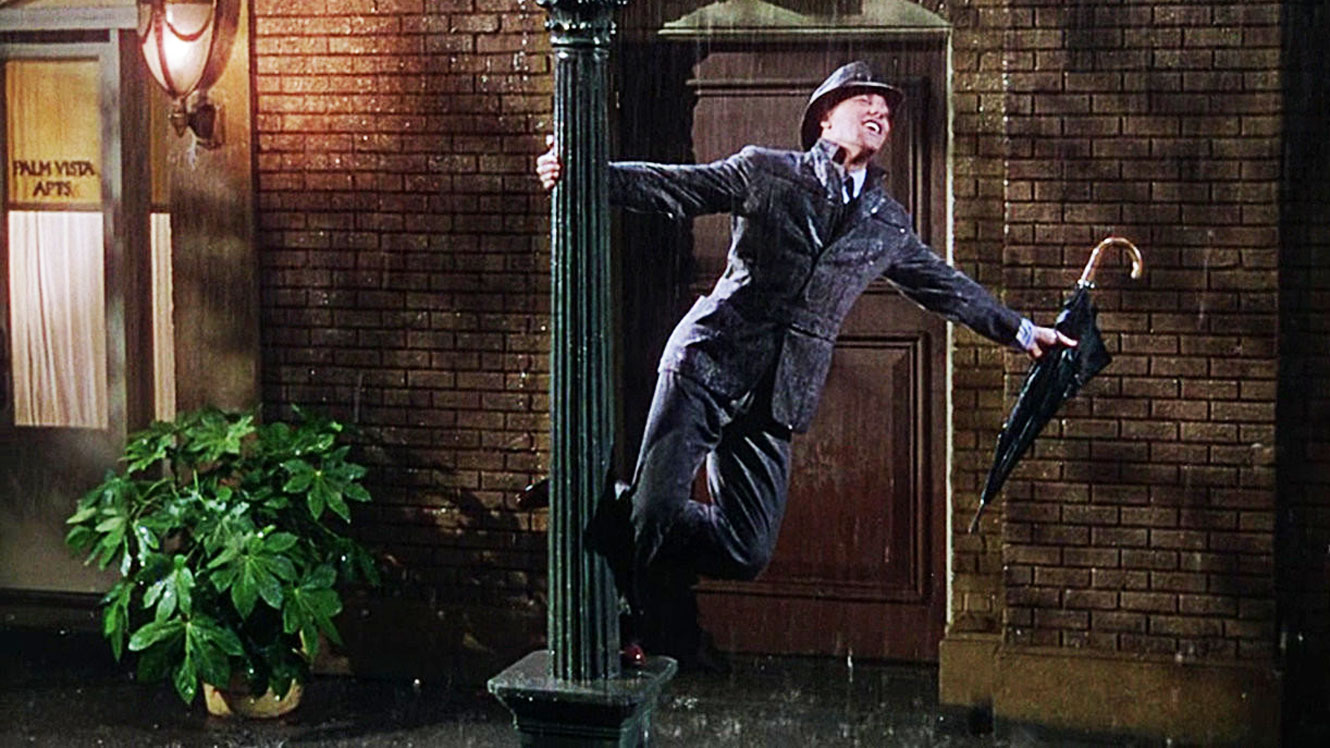
The rain is unavoidable; you might as well splash around and enjoy it.
All the best,
Chris Anselmo
September 28, 2016
Metaphorically sing, but please, for the sake of others, do not actually sing.
P.S. – I have spent a significant amount of time trying to see if I can share with you winning Powerball numbers, but I have to find a way to ensure I don’t create a ripple effect that will have disastrous consequences. Last thing I need is to become a millionaire, buy a spacecraft I don’t need and crash into an asteroid. Let me get back to you on this one.
This is the first letter in a two-part series looking back on life in my 20s. Today’s post is a hypothetical letter written from my 23-year old self to my present-day self. In November 2009, at age 23, I went to a doctor’s appointment that would change the course of my life. This letter captures my thoughts and emotions right after I left.
I’m desperate. I need answers, and I need them now.
I’m sitting here on a bench in the sky lobby at Beth Israel Hospital. I just came out of my first neurology appointment, and it was traumatizing.
Words are hard to come by at the moment. I’m dazed. My body feels heavy, almost detached. I’ve been staring right into the sun reflecting through the window and I don’t even care.
So many thoughts are running through my head, so many emotions. Above all, I’m afraid. My future has been turned on its head, and I don’t know which side is up.
The doctor confirmed that I do indeed have dysferlinopathy, which matches the diagnosis I was given in high school. That part isn’t shocking – that’s why I scheduled the appointment. Unfortunately, I learned for the first time today what that diagnosis actually means for my future.
It turns out, the weakness I felt in my legs while running wasn’t because I was out of shape, it’s because I’m getting weaker. Now. At age 23.
I had a sense it was related to my disease. I haven’t felt right for a while, and I’ve noticed that I don’t gain strength at the gym anymore. I just went for a run the other day and could only run for a few minutes before fatiguing.
I don’t know what I expected the doctor to say, but I guess I felt that deep down it was a condition I could manage somehow, or that if I rested and did low-impact exercise, the strength would come back. I thought maybe I was stressed out or overdoing it, even though I am as active as the average person. It never occurred to me the strength, once it left, was gone forever. I never expected that I would weaken this quickly.
I told him that I thought it was something that would happen to me later in life, at a slower rate, and that it would be a minor nuisance more than anything. He shook his head and told me the symptoms are already manifesting. Already manifesting? How is this possible?
I’m sure you remember this day well – I know I’m not telling you anything you don’t already know. But please bear with me. I just don’t have the benefit of hindsight like you do – I’m living it for the first time right now. It sure feels like this is a turning point in life. Is it? Is there no going back to the way things were after today?
He said I might not be able to walk by the time I’m 30, that many people are not ambulatory by that age. He tried to reassure me that since there are so few patients, the variability in the disease progression is great, so nothing is set in stone. But what’s the difference if it doesn’t happen by 30? It’s going to happen, probably within the next ten years.
Well, future Chris, am I still walking at 30?
I’ll be honest, I don’t see how I can go back to living life the same way with this knowledge. I feel like the storm clouds are gathering in the distance, and life is going to become increasingly difficult. I can feel the anxiety build within me. I probably am overreacting, but I’m not thinking rationally at the moment. I’m tired, I’m stressed, and this is a lot to process mentally.
Speaking of being rational, how the hell could I have been so naïve? I’m someone who always tries to be objective and collect the facts. How could I have gone through college without bothering to research what this disease will do to me? I should have known. I feel irresponsible, like I let myself down, wholly unprepared for what I would hear today.
If I knew, I would have studied abroad. I would have traveled. I would have gone on Spring Break. I would have prioritized my life differently. I would have done so many things had I not been so blissfully unaware and ignorant. I’m an idiot.
On the other hand, thank God I was blissfully ignorant. For four years I didn’t have a care in the world about this disease. What if I had been aware of what was to come? Would I have had the same experience? I say that I would have traveled and done all these fun things, but is that true? Maybe I would have been too depressed to go outside.
The truth is, I’ll never know. The facts are the facts, and I’ll debate the pros and cons of knowing earlier another time. Right now, I’m just so overwhelmingly….devastated. I know it’s not a death sentence, thank God, but life is not going to be the same. The more I think it through the more I grasp the enormity of it all.
There was one moment today that was especially difficult. Towards the end of the appointment, as I sat there on the table processing the doctor’s words, I found myself stalling, trying to avoid asking the one question I knew I had to ask, but already knew the answer to. Eventually I mustered up the courage.
Are there any treatments?
He leaned back in the chair before answering, which I knew was a bad sign. He admitted it was going to get worse, that I could eventually end up in a wheelchair, but unfortunately, there’s nothing they can do to stop it. He cited some trial in Germany or something, but he said it was ineffective. Instead, he stressed the importance of controlling the disease, to slow the progression. Eat well, get plenty of rest, don’t exercise too hard, don’t drink too much, that sort of thing.
He probably said more after that, but I had spaced out by that point. He ended by recommending that I go see a physical therapist in order to maintain my strength, but seriously, what’s the point? No matter what I do, it’s going to get worse. Even if I delay the symptoms, they are eventually going to manifest.
As I sit on this bench, I can’t help but wonder what life will be like at 30. I need that answer. I need to know what to expect in the next few years. I am done with the blissful ignorance. I have so many questions, questions that I am afraid to ask but I have no choice. I’m trying to suppress my thoughts, but my subconscious is tormenting me.
Please, be honest. Will I be able to overcome this?
Will I be able to plan for my future?
Will I be able to buy a house?
Will I find a girlfriend who will accept me despite my disability?
Will I look at myself differently, or be treated differently by society?
Am I going to fall and break something?
Will I be depressed?
Will I still be walking?
And I hate to ask this, but it’s really eating me up inside – is this life worth it? Will I be happy?
On second thought, I don’t know if I can handle the answers to these questions. I’m clearly scatterbrained right now, but I’m so scared. So much in my life is going to change if I’m getting weaker. There is so much I haven’t done, so many things I’ve taken for granted that I know I’m going to lose the ability to do. I am already low on self-esteem and confidence to begin with. To not be able to walk, or lift my arms to feed myself – this seems like it is going to be too much to bear.
Oh what am I saying, I need to know! Please, don’t hold anything back. Tell me what is going to happen so I can prepare to the best of my ability. So I can enjoy the mobility I have now before it’s taken from me. I need a map, a compass, anything to get me through this storm that’s coming.
Next week is the big 3-0. To be honest, it feels like just another birthday. Don’t get me wrong, I am blessed for every day I am given, but the number itself doesn’t make me feel any older than I already feel. At this very moment, for example, I am writing with a pulled muscle in my neck from the physically demanding action of rolling over in bed. If anything, 30 gives me a chance to take a step back and assess all that has happened in the last ten years.
My 20s, to say the least, have been difficult. Lately, I have found myself in a reflective state, thinking about what I have been through over the last decade. After all, my entire disease progression took place in my 20s. It was shortly after I turned 21 when I first noticed muscle weakness. It feels like a lifetime ago that my body was in shape and fully able.
So long ago, in fact, that I am rapidly forgetting what it feels like to run, jump, or walk without fear of falling. That is why I cherish dreams where I am running and active; although it’s cruel when I wake up, they are momentary escapes from my current, limited reality. I do, however, vividly remember the feeling when I first realized the magnitude of what I was up against.
The first scarring moment on my journey was not when I pulled up lame while going for a run, or when I was frustrated that I was not gaining strength at the gym. It was actually a year later, in November 2009, when I had a fateful appointment with a neurologist at Beth Israel hospital in Boston. That day, I gained insight into what my diagnosis really meant, and what was in store for me going forward. The naïve belief that I was missing an insignificant protein that would have little impact on my quality of life was debunked for good. The neurologist was a nice guy, but the information he provided – specifically the prognosis and lack of research being done – was a harsh jolt of reality. I left the hospital that day perplexed, and above all, afraid.
I think about how I felt then, and where I am now emotionally. The cloud that formed over my head that day has not left. Some days it rains, other days it thins out so light can shine through. But it’s always there, and, to be realistic, always will be. I’ve experienced so much since that day, the disease uncompromising in its steady progression despite my vain interventions.
What is undeniable about this turbulent period is that it has provided me insight and wisdom I otherwise would not have gained. Adversity has forced me to ask deep questions about the meaning and purpose of my struggle, and of life as a whole. It is a life that has not been easy, and will only get more difficult with each passing day.
But I’ve grown, there is no question. I am far more prepared today to deal with the hardships to come than ever before. And they will come.
I think back often to that day at Beth Israel. I figured, based on what the doctor was saying, that I had five years left to walk, at best. He said many patients are no longer ambulatory by age 30.
I had so many questions, so many fears. All I could think about was what my life would be like when I got to 30. Would I be walking? Would I be happy? Would life still be worth living?
To commemorate turning 30, and since I don’t want to do a cheesy “20 things I learned in my 20s” type list, I am going to instead write two posts in the coming week. First, I will compile my thoughts and fears on that November day in 2009 and write a hypothetical letter to my 30-year old self, asking how life turned out. Then, next Friday, I will write my answer.
The greatest outcome from sharing my story with the world has been the opportunity to help others. Since I finally opened up about my condition four years ago, my life has taken a turn for the better. Through writing and speaking about my patient story, I’ve had many wonderful people come into my life, from high school classmates I’ve reconnected with to complete strangers who were moved to contact me in some way. I am not terribly comfortable as the center of attention, but I do it because I believe that I am part of something much larger than myself.
To be honest, I don’t consider my story to be more inspirational than anyone else’s. I’ve said that many times before. Have I dealt with a lot? Absolutely, and I won’t sell myself short there. But at the same time, I am not the only one who has persevered in this world. I don’t have the market for inspiration covered, as I know of countless others who have dealt with even greater burdens. They are the people I turn to when I need to be picked up after a tough day.
Rather, what sharing my journey has shown me is that there is a great unmet need in society for impactful stories. Everyone these days is struggling with something, and far too many suffer silently. They walk the lonely road that I stumbled down years ago. People need to be reminded that they are strong enough to get through whatever it is that gets them down, and the best way to accomplish this is to hear the stories of others. People need to hear the good and the bad, the successes and failures. Meaningful, authentic stories connect with people on an emotional level like no other story can.
The need is great. I don’t say that as an exaggeration or as an indictment on society; it’s my observation from firsthand experience. Everyone is struggling with something. This is a favorite phrase of mine. My disease has (thankfully) made me more empathetic, to the point where I can identify easily when someone is having a tough time. It is sort of like my sixth sense.
Lately I have been receiving around 1-2 emails and messages per month from complete strangers. They usually ask me for advice or thank me for sharing my story. I am flattered, sure, but more than anything I want to help each person. Sometimes I have answers, sometimes I don’t. But if I don’t, I try to at least steer them in the right direction. I don’t want anyone to encounter me and not have their situation improve in some way.
I’ve thought a lot recently about how I can help people on a greater scale. For everyone that reaches out to me, I wonder how many others read or hear my story but are hesitant to reach out. I wonder even more how many people out there would benefit from hearing anyone’s story, let alone my own.
I realize that I can do a better job of communicating on here what has helped me on my journey these last few years. As a result, I am going to write about, in a series of posts, various pieces of advice. Each post will cover a specific topic that I will briefly outline below. You can find these posts under my new column heading, “The Adversity Playbook”. My hope is that, for anyone who stumbles across my website, they can use my experience as a starting point on their journey. Bumpy roads don’t have to be lonely roads.
I am not an oracle who has all the answers. I have made my mistakes along the way, and there are some days I go against this very advice I am about to tell because I am tired, stubborn, and/or frustrated. In short, I’m human.
I make this list as a jumping off point. It is only meant to scratch the surface of what I hope to write about in future posts.
Without further ado:
Don’t go at it alone!
I can’t emphasize this enough – life is not meant to be lived in isolation, especially when you are going through a tough time. It is natural to feel isolated when the world around you cannot relate to your situation, especially if it is a disease. But the sooner you recognize that you can’t go at it alone, and more importantly, that you are not supposed to go at it alone, it changes everything. I am living proof of that. I wouldn’t be where I am at today if I didn’t reach out to my family, friends and coworkers and humbly admit I couldn’t handle my situation anymore. I needed a helping hand, and I got hundreds of them in return.
Asking for help is not easy, but it is crucial. Trust me.
Seek out others who are going through a similar ordeal
Another helpful piece of advice is to seek out others who are going through something similar to what you are dealing with. If you Google the issue – whether it’s a disease, a failure, a setback, whatever it is – you will undoubtedly find someone who has gone through it or who understands how you feel. It builds off the first point – community is essential. If you have a disease, rather than shut yourself in (which is the natural human reaction), seek out others who can understand what you are dealing with. Join a Facebook group, or an organization whose mission is to find a cure or provide services and support. It seems intuitive, but I know of many people who don’t do this, and it makes me sad.
Don’t be afraid to fail
I am no longer afraid of failure, which is a good thing because I’ve encountered it over and over and over again, especially this year on my job search. I can stomach it because I have come to realize that anything worthwhile in life requires risk, and nothing worthwhile is given to you on the first try. If you fail 99 times out of 100, the one time that you succeed outshines the other 99 failures.
This notion has sustained me every time I fall. I am past the point where I can pick myself back up on my own. Every fall is a reminder that my body is failing me. But every time I end up back on my feet, and I take my first step on solid ground, I realize how worth it it is to get back up.
Share your story!
When you get through the difficult times – and you will – share your story with others. When I finally opened up about my journey and wrote my first article – a piece for the Jain Foundation (whose mission is to find a cure for my disease) – a weight was lifted off my shoulders. Sharing your story will empower you and give you confidence, and just as importantly, it will help others. It doesn’t take much. Trust me, your story is not boring, and it will have an impact. Any small impact, even if it brings a smile to one person’s face, makes it worth it.
Keep in mind, the moment you overcome your difficulties, someone is experiencing that hardship for the very first time, and they don’t know where to turn. You can be that beacon of light for someone else, as only you can.
_________________________________________
If you have any questions about any topic on here, or anything that is not covered, please don’t hesitate to reach out to me, chrisanselmo@gmail.com.


 Sidewalks and Stairwells